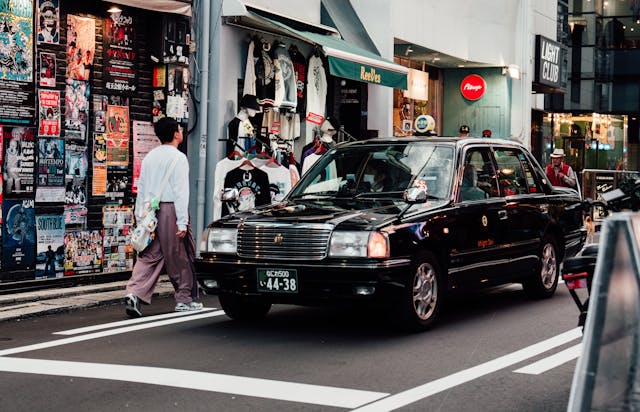
I've been visiting Japan for more than 20 years now, and I'm still not tired of it. Living in Seoul makes Japan feel almost like an extension of home, just a quick flight away. Though I'm moving to Auckland (very) soon, which means these easy weekend trips are about to become a lot more complicated, that just makes me appreciate how accessible Japan has been all these years.
My first real experience with Japan wasn't a typical tourist trip. Back in the early 2000s, I went to Tottori on a high school band exchange program. We stayed with host families, performed at local schools, and got to see Japan through the eyes of regular people rather than through a guidebook. That trip planted something in me. The way people queued so patiently, the vending machines that actually worked, the care put into even the smallest details. It all felt so different from anywhere else I'd been.
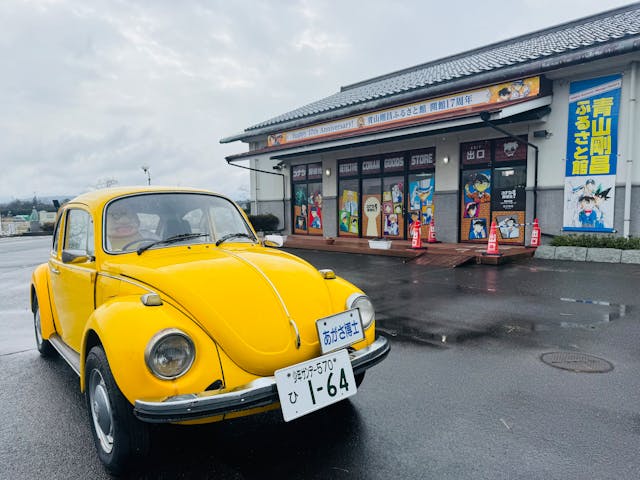
Tottori is a quiet coastal city best known for its sweeping sand dunes and relaxed pace of life. It is a side of Japan that feels refreshingly untouched.
Later, when my brother studied abroad in Okayama, I visited him there several times. Okayama isn't on most tourist itineraries, which made it even more interesting. It gave me a perspective on Japanese life outside the mega-cities, a slower rhythm where you could actually talk to shopkeepers and explore without fighting crowds. Those visits showed me that Japan wasn't just about Tokyo and Kyoto. There was depth everywhere you looked.
Of course, I eventually did all the classic tourist routes too. Tokyo multiple times, Osaka's incredible food scene, Kyoto's temple-lined streets, Hokkaido's winter landscapes. Each one delivered exactly what you'd hope for. And most recently, I took my kids to Okinawa for a proper beach vacation. Watching them play in water so clear you could count fish swimming around their ankles reminded me why I keep coming back.
A quick look at each location with photos and useful stats (hotel and beer costs, safety, and more):
Japan manages to feel both completely foreign and strangely familiar at the same time. Maybe it's the proximity from Seoul, or maybe it's just that after so many visits, I've developed my own personal map of the country. Either way, it feels less like visiting a distant country and more like checking in on a place that's somehow become part of my life.
Why Japan Keeps Calling Me Back
Living in Asia means I'm surrounded by travel options. China is close. Southeast Asia offers incredible beaches and affordability. Russia has its own unique draw. So why does Japan end up being my default choice so often?
The Sheer Diversity Packed into a Relatively Compact Country
The difference between Hokkaido in winter and Okinawa in summer is almost absurd. In Hokkaido, you're bundled up watching snow fall into steaming hot springs, eating the freshest seafood you've ever tasted, maybe skiing if that's your thing. The whole landscape feels silent and pristine, like nature hit a reset button.
Then you fly to Okinawa and it's a completely different country. Tropical heat, palm trees, beaches that look like screensavers. The culture there feels distinct from mainland Japan too, more relaxed, with its own food traditions and a slower pace of life. My kids absolutely loved it. We spent days just bouncing between beaches, trying different local restaurants, not rushing anywhere. The water is so impossibly clear and calm that even as a parent who normally worries about everything, I felt completely at ease letting them swim.
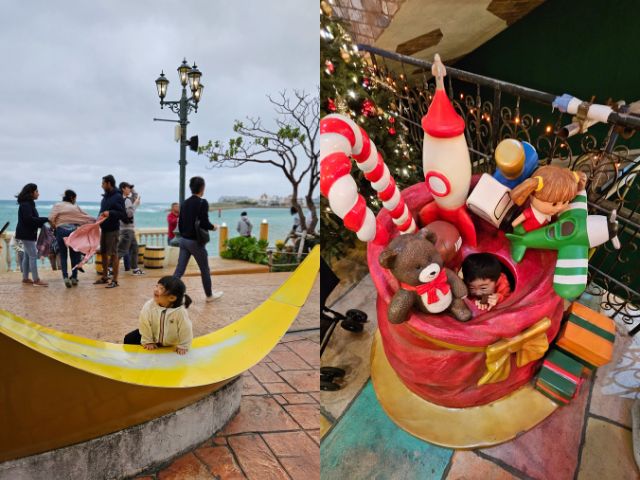
Photos of my twins having fun at American Village in Okinawa during our fourth visit. It has become their favorite spot.
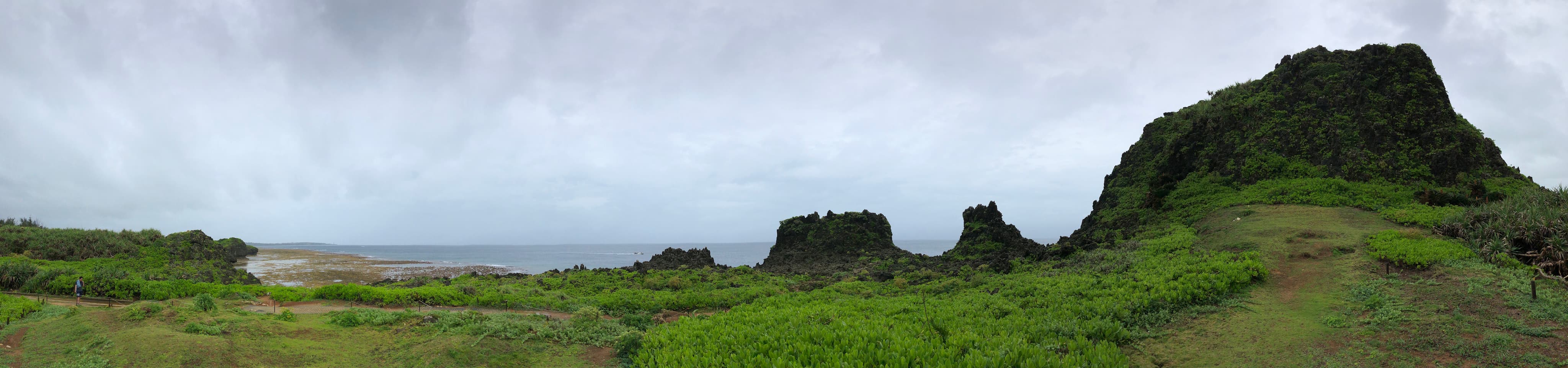
A panoramic view of the Onna Coast in Okinawa.
The Quality Factor in Japan is Something Else
Whether you're shopping in a trendy Tokyo boutique or grabbing snacks at a rural convenience store, there's this baseline of excellence that you can count on. Food is prepared carefully, products are well-made, services are delivered with genuine attention. That consistency comes from Japan's massive domestic market. Japanese businesses developed primarily to serve demanding Japanese customers, which means quality stays high everywhere, not just in tourist zones.
More Affordable Than You Might Expect
Here's something that surprises people who remember Japan from the 1980s and 90s: it's actually affordable now. Not backpacker-hostel-in-Southeast-Asia affordable, but genuinely good value for what you get.
Japan's economy went through what people call the "Lost Decades" with very little inflation while the rest of the world's prices kept climbing. When I started looking at actual numbers through Travel Roulette, the data confirmed what I'd been feeling. Hotel prices in Tokyo average around $80 to $120 per night for decent places if you're smart about booking. In smaller cities like Okayama or even parts of Okinawa, you can find comfortable hotels for $60 to $80. These aren't hostels or sketchy budget places. These are clean, well-maintained hotels with the kind of service Japan is known for.
Kamakura
Okinawa
Nara
Destination price estimates displayed on TravelRoulette, using 2026 data from the JNTO (Japan National Tourism Organization) and tourism economic forecasts.
The budget breakdowns showed me I could travel comfortably on $100 to $150 per day including accommodation, meals, and getting around locally. That's actually less than I'd spend on a similar trip in Korea or most Western countries. Even things like beer prices, which Travel Roulette tracks as a quick cost-of-living indicator, run cheaper in Japan than in Seoul. A pint in Tokyo costs around $5 or $6. In smaller cities, even less.
A Different Level of Safety
Then there's safety, which honestly deserves its own conversation but I'll keep it brief. Japan consistently scores above 90 out of 100 on safety indices, and that matches reality completely. I've walked through Shinjuku in Tokyo past midnight without a second thought. I've taken trains alone late at night. I've let my kids wander a bit ahead of me in crowded shopping streets. The level of petty crime is remarkably low everywhere, from big cities to small towns.
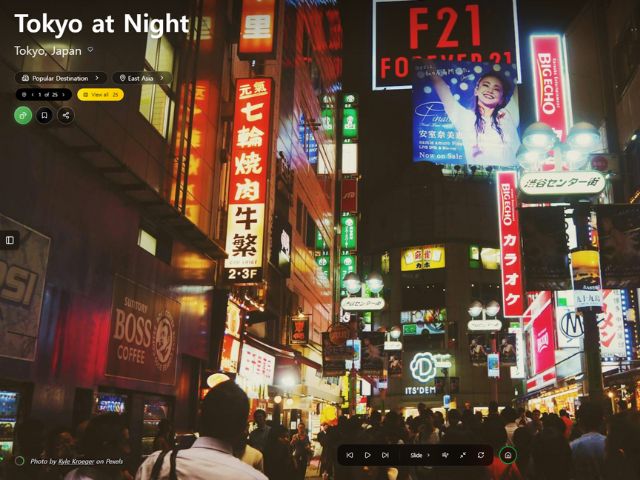
Walking through Tokyo's streets late at night, you are unlikely to feel any fear. Check out more photos of Tokyo at night.
That sense of security fundamentally changes how you experience a place. You're not constantly on guard, checking your bag, avoiding certain areas after dark. You can actually relax and enjoy where you are. For solo travelers, families with kids, or anyone who normally worries about safety while traveling, Japan removes almost all that anxiety. It's one of those things you don't fully appreciate until you've experienced it.
Breaking the Frame with Travel Roulette
After two decades of visiting Japan, I hit a weird wall. I'd seen the famous temples, eaten at countless incredible restaurants, wandered through both mega-cities and quiet countryside. But when I sat down to plan my next trip, I kept coming back to the same handful of places.
Here's a metaphor that clicked for me: Have you ever bought a new shirt, felt good about adding some variety to your wardrobe, then opened your closet and found five nearly identical shirts you'd bought over the years? That's what happens when we let our default preferences run on autopilot. We think we're choosing freely, but we're actually reinforcing the same patterns.
I realized that to actually discover new parts of Japan, I needed to somehow bypass my own thinking. I needed a system that would show me options my brain would normally filter out before I even noticed them.
The solution sounds almost too simple: randomization. But hear me out.
I built Travel Roulette originally to solve my own problem. I was bored with my travel patterns but couldn't seem to break them through willpower alone. So I created a tool that would essentially decide for me, showing me destinations based on categories I cared about (seaside, history, culture, nature) but letting chance determine which specific place popped up.
What surprised me was how well it worked. When you spin the roulette and it lands on some coastal town you've never heard of, something interesting happens in your brain. Instead of immediately judging whether it's "worth visiting" based on your existing frameworks, you're forced to actually look at it fresh. The photos show you what the place feels like. The data shows you practical details like how far it is, what hotels cost, how safe it is. And suddenly you're considering somewhere that would never have made your shortlist.
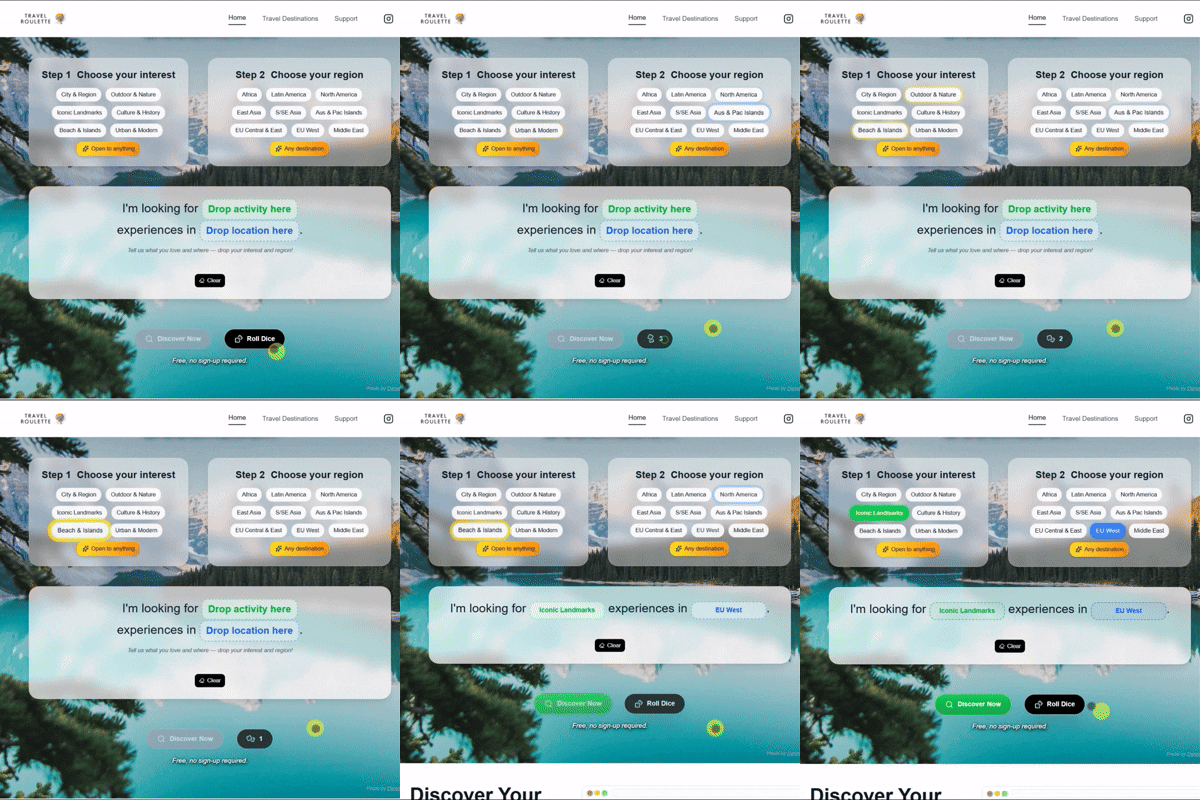
I have discovered places through this method that I am genuinely excited about:
- Kamakura and Kagoshima — places I had seen countless times in photos but never seriously considered
- Himeji Castle — iconic but always pushed aside for "next time"
- Sensoji Temple — felt new when it appeared in front of me through chance rather than planning
None of these places were truly hidden. They had always been there. I just needed something to break my habits and push them into view, because left on my own, my mind kept circling the same familiar routes.
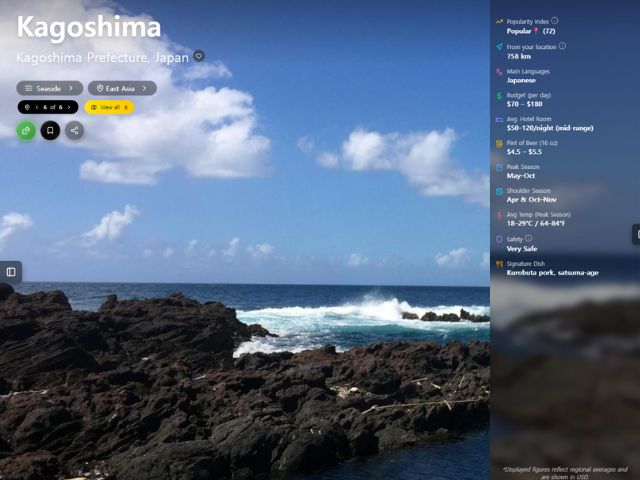
Kagoshima's dramatic volcanic coastline offers stunning views of Sakurajima, one of Japan's most active volcanoes.
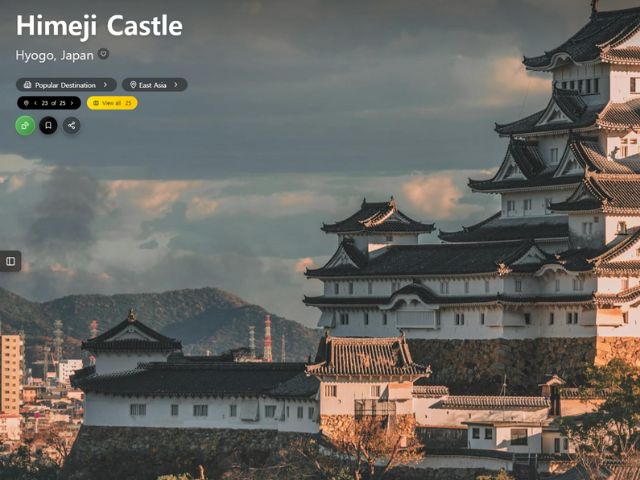
Himeji Castle, also known as the White Heron Castle, is one of Japan's most beautiful and well-preserved feudal castles.
The other advantage is speed. Instead of spending hours reading blog posts and comparing dozens of options (which usually just leads to analysis paralysis), you spin a few times, see what grabs you visually and practically, and make a decision. It removes the overthinking that often kills spontaneity in travel planning.
The Joy of Random Discovery
The best travel memories I have are from places I didn't specifically plan to visit. The random restaurant my brother took me to in Okayama that served the best karaage I've ever had. The small beach in Okinawa we stumbled onto because we took a wrong turn. The neighborhood in Tokyo I wandered through because I got off the train one stop early.
Those moments happened because I wasn't following a rigid itinerary. I was open to whatever came up. That's the mindset I'm trying to recreate with Travel Roulette, except instead of getting lost randomly, you're using randomness strategically to surface options you'd otherwise miss.
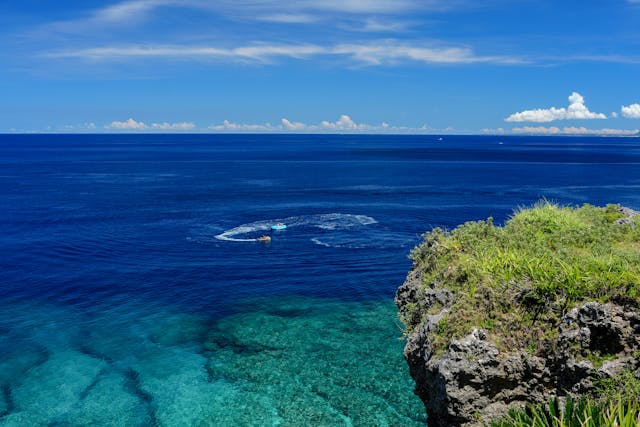
A scenic view of the ocean at Cape Manzamo, Okinawa, Japan. You can check out more photos of Okinawa here.
Japan has so much more to offer than the standard circuit. The variety is real, the safety is exceptional, and the value right now is better than it's been in decades. But you'll only discover that if you're willing to step outside your usual patterns.
So here's my suggestion: stop trying to plan the perfect trip based on what you think you should see. Head to Travel Roulette, select Japan, pick whatever filters match your mood right now, and just spin. Let the tool show you something your brain wouldn't have searched for. Look at the photos, check the practical details, and if something pulls at you, go there.

✈️ Avid traveler | Solo dev | Video Game Music Composer